Author: CHOCOMACH
March 24, 2026
9949
I. The "Invisible Contaminants" in Edible Oil You Should Know
3-Monochloropropane-1.2-diol Esters (3-MCPDEs) and Glycidyl Esters (GEs) are emerging non-intentionally added contaminants formed during the refining of edible vegetable oils, primarily in high-temperature deodorization and other refining processes. The former is produced by the reaction between triglycerides in oils and chloride ions, while the latter originates from the thermal decomposition and cyclization of triglycerides. As internationally recognized food safety risk factors, the European Food Safety Authority (EFSA) clearly states: GEs are genotoxic and carcinogenic, and long-term intake may impair health; 3-MCPDEs have potential adverse effects on kidney function and the reproductive system, requiring special protection for vulnerable groups such as infants and young children.
II. Progress in Domestic and International Regulatory Standards and Detection Technologies
With growing attention to pollution risks, targeted regulatory systems have been gradually established worldwide: China implemented the national standard GB/T 44621-2024 in April 2025. adopting GC/MS for accurate detection of the two contaminants with a limit of detection as low as 30μg/kg; the European Union has introduced stricter limit requirements, specifying that the content of GEs in vegetable oils must be ≤1mg/kg.
Current mainstream detection technologies fall into three categories: direct methods (e.g., GC/MS) offer high accuracy but complex procedures; indirect methods are easy to operate but prone to interference; non-derivatization real-time detection technology, however, has become a core direction for future industry R&D due to its efficiency and speed, which will provide more timely technical support for quality control in production.
III. Empirical Analysis of Pollution Status in Commercial Vegetable Oils: Categories Requiring Attention
Detection data of 35 vegetable oil samples from 17 categories sold in Tianjin show significant differences in contaminant content among categories:
High-risk categories: Cottonseed oil, palm oil, and rice bran oil have prominent 3-MCPDEs and GEs pollution, with higher detection rates in more highly refined products;
Low-risk categories: Vegetable oils produced by cold pressing technology, such as olive oil and coconut oil, almost have no detectable levels of the two contaminants, highlighting the critical impact of process selection on food safety.
This result is highly correlated with processing characteristics: although traditional high-temperature refining can improve oil purity, it accelerates contaminant formation; in contrast, cold physical pressing reduces thermal processing steps, retaining the natural nutrients of the oil while lowering pollution risks.
IV. Consumer Buying Guide: Three Steps to Choose "Safe Oil"
Check the production process: Prioritize products labeled "cold pressed" or "virgin pressed," and avoid those marked "highly refined" or "chemically refined," as the former have lower contaminant formation risks;
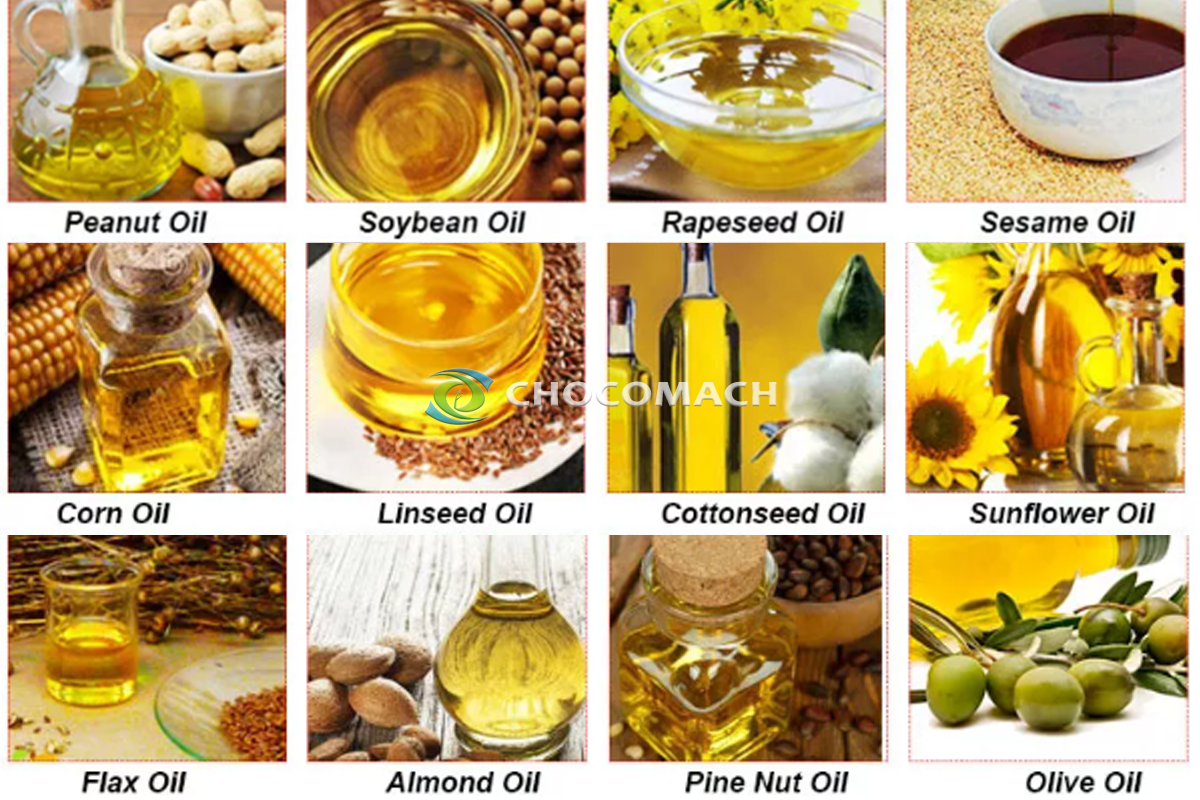
Check the oil category: For daily cooking, alternately use low-pollution risk oils such as olive oil, camellia oil, and coconut oil; for high-temperature stir-frying, prefer physically pressed rapeseed oil or peanut oil (which have high smoke points and low pollution risks);
Check the qualification certificates: Ensure the packaging displays complete production licenses and product standard codes, and opt for brands certified by international food safety standards such as SQF (Safe Quality Food) or IFS (International Featured Standards), as they offer more reliable full-chain quality control.
Special reminder: Be wary of "homemade pressed oil" without refining processes. Although claimed to be "natural," such products may have excessive levels of other contaminants like aflatoxins due to the lack of impurity removal processes, posing higher safety risks.
V. Full-Chain Process Innovation: Blocking Pollution at the Production Source
To fundamentally reduce contaminant levels, the industry has developed a "full-chain integrated prevention and control process," achieving precise control through six core links:
Chloride removal via polar solvent cleaning: Pre-remove chloride ions from raw materials to reduce the material basis for 3-MCPDEs formation;
Optimized water degumming: Adopt enzymatic degumming technology to reduce phospholipid residue to below 5ppm, lowering the risk of subsequent reactions;
Mild deacidification treatment: Combine molecular distillation technology to remove free fatty acids at a low temperature of 180-200℃, avoiding high-temperature-induced pollution;
Efficient adsorption decolorization: Use composite adsorbents to adsorb trace contaminants while reducing the oil content of waste bleaching clay to below 5%;
Dual-temperature deodorization/short-path distillation: Reduce the deodorization temperature to 220-230℃ and shorten the processing time to 40-50 minutes, reducing GEs formation by over 80%;
Post-refining auxiliary measures: Prevent secondary oxidative pollution of oils through nitrogen preservation and antioxidant addition.
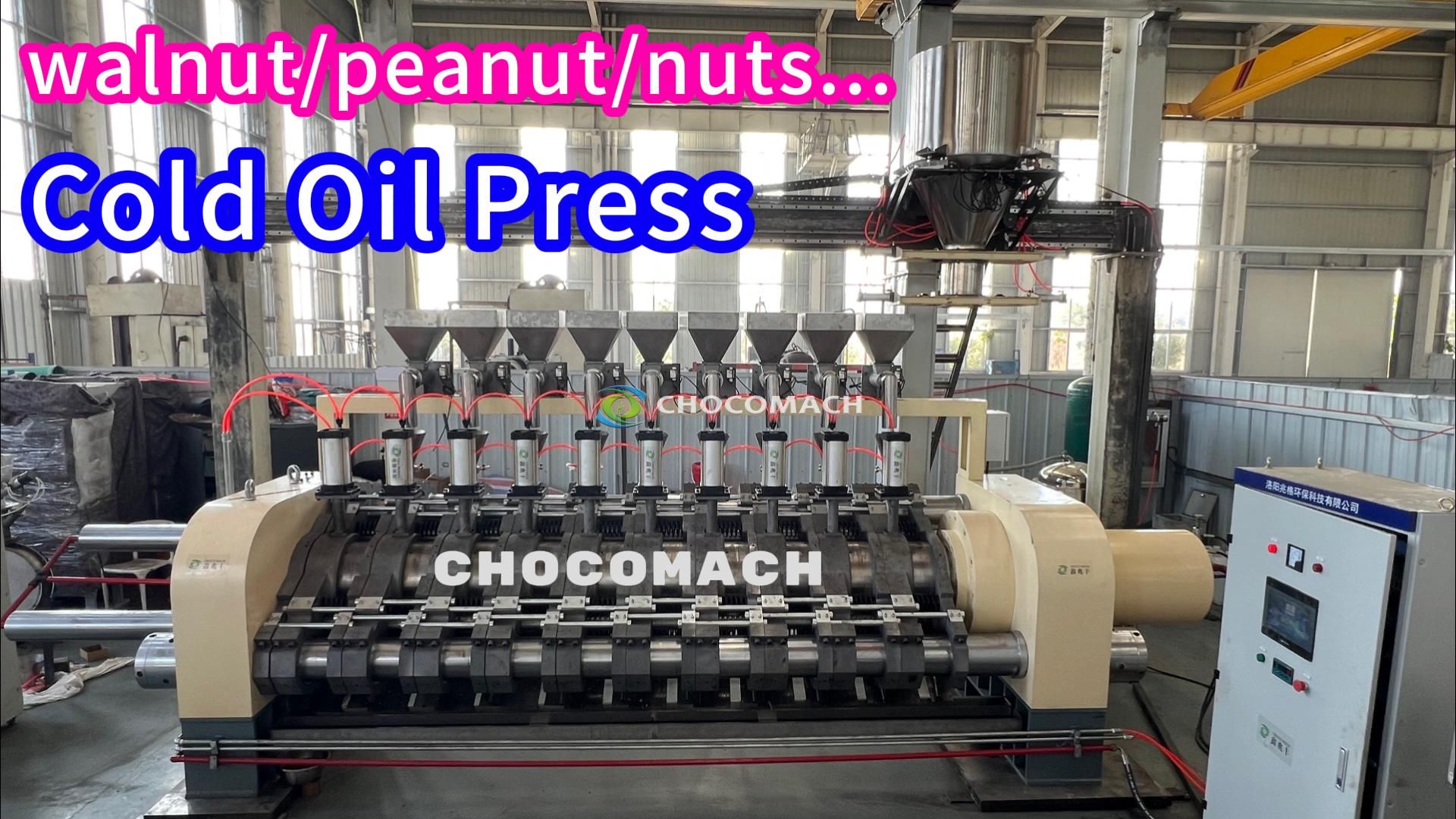
This process system has achieved the dual goals of reducing neutral oil loss to below 1.5% and trans fatty acid content to ≤0.5%, ensuring food safety while balancing nutrient retention and production economy of the oil.CHOCOMACH Automatic Hydraulic Cold-Press Line: Boost Healthy Oil Processing.


Service Tel:
+86 136 0865 6963
+86 199 3799 5959
0086 0379-61127277

Email:
chocooilpress@gmail.com info@chocomach.com

Wechat:


WhatsApp:
+86 199 3799 5959