Author: CHOCOMACH
July 13, 2026
8613
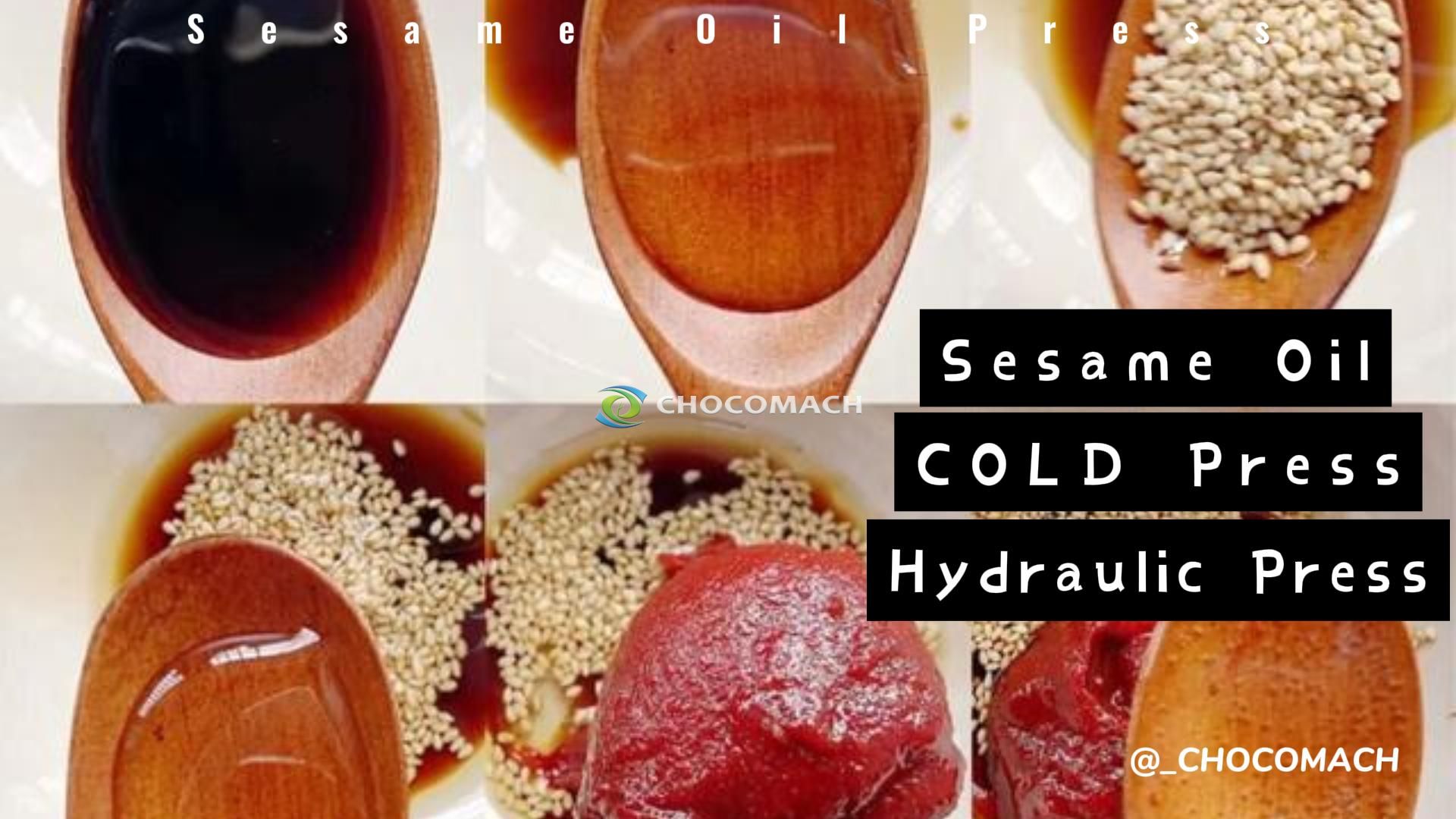
Endogenous maltol is generated during the roasting of sesame seeds.

1. Maltol (Methyl Maltol)
Chemical Name: 3-hydroxy-2-methyl-4H-pyranone
FEMA No.: 2656
Molecular Weight: 126.11
Appearance: White acicular crystals or crystalline powder
Melting Point: 160–164 °C
Natural Occurrence: Trace amounts naturally exist in larch bark, fern fronds, as well as roasted grains, bread crust, caramel, roasted coffee, cocoa and other food materials.
2. Ethyl Maltol (abbreviated as EM)
Chemical Name: 2-ethyl-3-hydroxy-4H-pyranone
FEMA No.: 3487
Molecular Weight: 140.14
Appearance: White crystalline powder
Melting Point: 89–92 °C
Property: A synthetic flavoring agent barely found in nature.
National Food Safety Standards for the Two Substances
Separate national standards specify requirements for maltol and ethyl maltol respectively:
Maltol: GB 1886.282-2016 National Food Safety Standard – Food Additive Maltol
Ethyl Maltol: GB 1886.208-2016 National Food Safety Standard – Food Additive Ethyl Maltol
The standards set forth physical, chemical and sensory specifications including appearance, purity and impurity limits for the two additives.
Aroma Characteristics and Application Differences
Maltol and ethyl maltol share similar sweet and caramel-like aroma profiles, yet they differ greatly in aroma intensity and flavor orientation:
Aroma Intensity
Ethyl maltol delivers 3 to 4 times stronger flavor enhancement than maltol, presenting richer fragrance and longer-lasting aroma at equal dosages.
Flavor Profile
Maltol: Dominated by mild caramel sweetness with weak fruity notes and soft aroma.
Ethyl maltol: More prominent sweetness and intense fruity fragrance with long-lasting scent; capable of masking bitter, sour and off-notes in food.
Typical Application Scenarios
Maltol: Suitable for vanilla, chocolate and caramel-flavored food products.
Ethyl maltol: Specialized in boosting fruity, floral and rich sweet aromas, divided into three mainstream grades:
Pure Fruit Type: Highlights natural fruit sweetness, widely used in beverages, fruit wines and frozen desserts.
Caramel Type: Features rich caramel aroma, applied to meat products, canned food, candies and baked goods.
Premium Caramel Type: Offers intense caramel scent with extended aroma retention, mainly for premium hams and sausages.
Regulatory Restriction: Prohibited Addition to Sesame Oil and All Edible Vegetable Oils
Legal and Standard Requirements
Per GB 2760-2014 National Food Safety Standard – Standards for Uses of Food Additives:
Food flavors and essences may only be added as appropriate to food categories requiring flavor enhancement. Flavorings are strictly forbidden in categories with no flavoring demand, including pasteurized milk, raw fresh meat, fresh eggs, animal and vegetable oils.
National product standards for edible oils further clarify the rule:
GB/T 8233-2018 Sesame Oil, GB/T 1536 Rapeseed Oil and GB/T 1535 Soybean Oil all stipulate that no extra flavors or essences shall be added to finished vegetable oils.
In short, maltol and ethyl maltol are banned from all edible vegetable oils, including sesame oil, blended sesame oil, rapeseed oil and soybean oil.
Market Supervision and Testing Basis
Some illegal merchants artificially add ethyl maltol to boost fragrance and counterfeit genuine sesame oil with cheap oils, which constitutes adulteration and violates relevant regulations.
The supporting testing standard BJS 201708 Determination of Ethyl Maltol in Edible Vegetable Oils enables quantitative detection of ethyl maltol in sesame oil, blended sesame oil and rapeseed oil, serving as technical support for regulatory law enforcement and unqualified product judgment.
Food Categories Allowed for Compliant Addition
Within permitted food categories specified in national standards, maltol and ethyl maltol may be added in appropriate dosages as required by production to enhance aroma, harmonize flavors, mask off-notes and improve mouthfeel.
Beverages & Alcoholic Drinks
Juices, carbonated drinks, frozen desserts, fruit wines, flavored coffee, scented tea and low-calorie sweet beverages.
Functions: Intensify fruity notes, soften sourness, stabilize wine aroma and compensate for flat taste caused by high-intensity sweeteners.
Dairy Products
Ice cream, flavored yogurt, flavored milk, low-fat and fat-free dairy products.
Functions: Simulate creamy sweet taste, remedy thin milk aroma after fat removal, and strengthen vanilla, strawberry and chocolate flavors.
Confectionery, Jellies, Puddings & Chocolate
Hard candies, soft candies, chocolate, jellies and puddings.
Functions: Reduce starchy paste taste and chocolate bitterness, balance sourness and deliver authentic natural fruity and sweet flavors.
Baked Goods
Cakes, biscuits and various fillings (fruit filling, cream filling, pudding filling), as well as low-fat baked pastries.
Functions: Boost caramel sweet aroma and offset insufficient oily fragrance in low-oil formulations.
Condiments & Sauces
Jam, tomato sauce, compound sauces and low-oil low-calorie dressings.
Functions: Mitigate harsh sour and astringent tastes, harmonize unbalanced off-flavors and elevate natural sweet fragrance.
Meat Products
Marinated pork and poultry meat batter, hams, sausages and canned meat.
Functions:
React with amino acids in meat to intensify meaty umami;
Form purplish-red complexes with metal ions to improve the color of cured meat;
Combined with ascorbic acid and tea polyphenols, it inhibits fat oxidation and extends flavor stability.
Non-Food Applications
Beyond food processing, maltol and ethyl maltol are used in syrups and vitamin preparations to mask bitter tastes of active ingredients. Minor amounts are also applied in daily chemical and other non-food sectors.
Supplementary Remarks
Trace maltol naturally forms in certain roasted food materials, while ethyl maltol is almost entirely synthetic.
Maltol and ethyl maltol are legitimate food additives when used within permitted scopes. Adding them to restricted products such as sesame oil counts as illegal adulteration.
The rich aroma of authentic sesame oil should derive purely from the roasting and pressing processes of sesame raw materials. Sesame oil with artificially added ethyl maltol fails to meet national standards.


Service Tel:
+86 136 0865 6963
+86 199 3799 5959
0086 0379-61127277

Email:
chocooilpress@gmail.com info@chocomach.com

Wechat:


WhatsApp:
+86 199 3799 5959