Author: CHOCOMACH
September 08, 2026
8699
When camellia seed oil is heated, its aroma changes significantly. Researchers used an electronic nose and gas chromatography-mass spectrometry (GC-MS) to analyze the oil after heating at different temperatures and times.
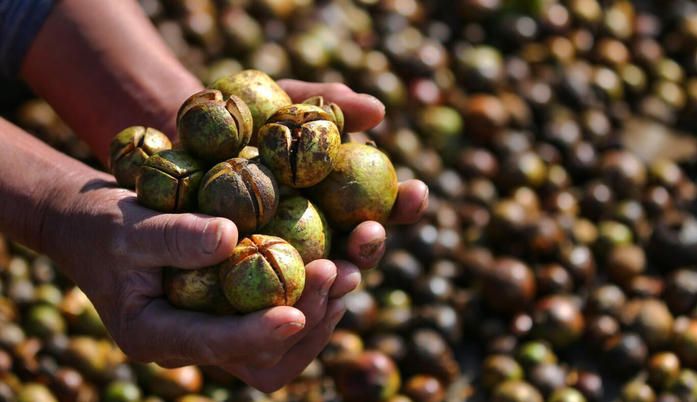
At low temperatures (30–90°C), the aroma profile gradually stabilizes as heating time increases. At high temperatures (120–150°C), after 20 minutes of heating, the aroma profile becomes increasingly divergent. The results from both methods were consistent.
The electronic nose can also quantitatively predict the heating temperature and time of unknown samples: when predicting heating temperature, the relative deviations were 7.9% and 3.6% for 20-minute and 40-minute heating times, respectively; when predicting heating time, the relative deviations were 14.0% and 11.3% at 60°C and 90°C, respectively.
GC-MS further revealed that after heating, the levels of heterocyclic compounds, certain acids, aldehydes, and alcohols in camellia seed oil increased. The contents of hexanal, cyclopentane, and cyclooctane first increased and then decreased with rising temperature. The contents of octenal and 2.4-nonadienal decreased with higher temperature and longer heating time. These changes are believed to originate from fat oxidation degradation, Strecker amino acid reactions, or Strecker degradation in the Maillard reaction.
In short, both heating temperature and time affect the aroma components of camellia seed oil — the higher the temperature and the longer the time, the more complex the changes.
So, is it better to heat it or not? Is hot-pressed or cold-pressed better? And what are their commercial values?
That's a great question! There is no absolute right or wrong — it depends on the use and market demand.
Without heating (cold consumption / salad dressing): Preserves the original vitamin E, squalene, polyphenols, and other active ingredients in camellia seed oil. The aroma is light with a natural camellia fragrance. Positioned for the high-end market, it emphasizes "complete nutrient retention and natural health," suitable for mothers and babies, health-conscious consumers, and premium gift markets. The unit price is high with strong profit margins. In recent years, cold-pressing technology has improved oil yield and has become the mainstream process for high-end camellia oil brands.
With heating (cooking): Heating produces new aromatic compounds (heterocyclic compounds, aldehydes, etc.), giving a richer flavor. However, as the study shows, prolonged high-temperature heating (120–150°C for over 20 minutes) makes the aroma profile unstable and partially degrades beneficial components. Positioned for the mass market, it offers high oil yield and low production cost, suitable for wholesale and traditional food service channels. Its rich flavor maintains steady demand among consumers who prefer the traditional camellia oil aroma.
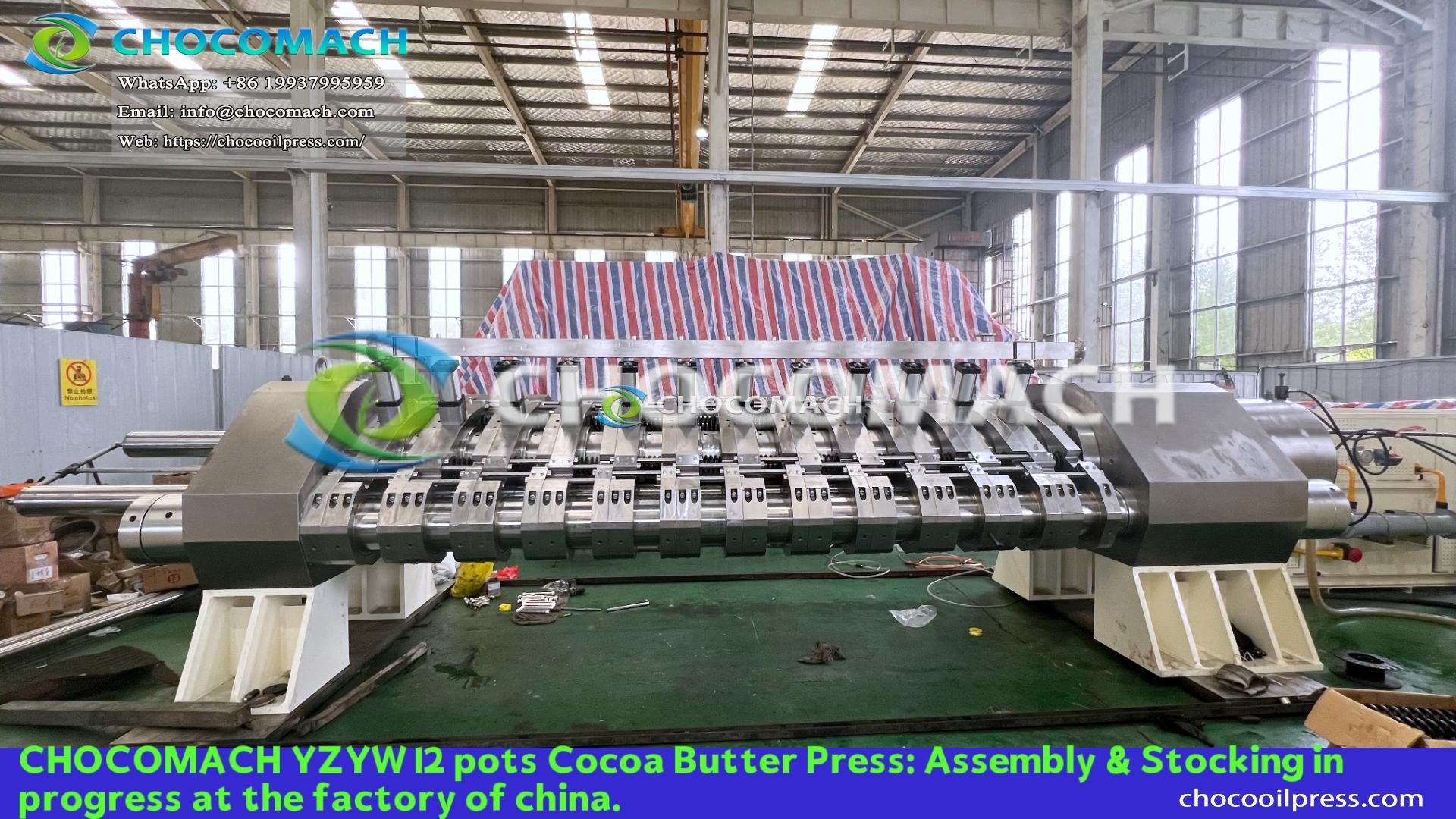
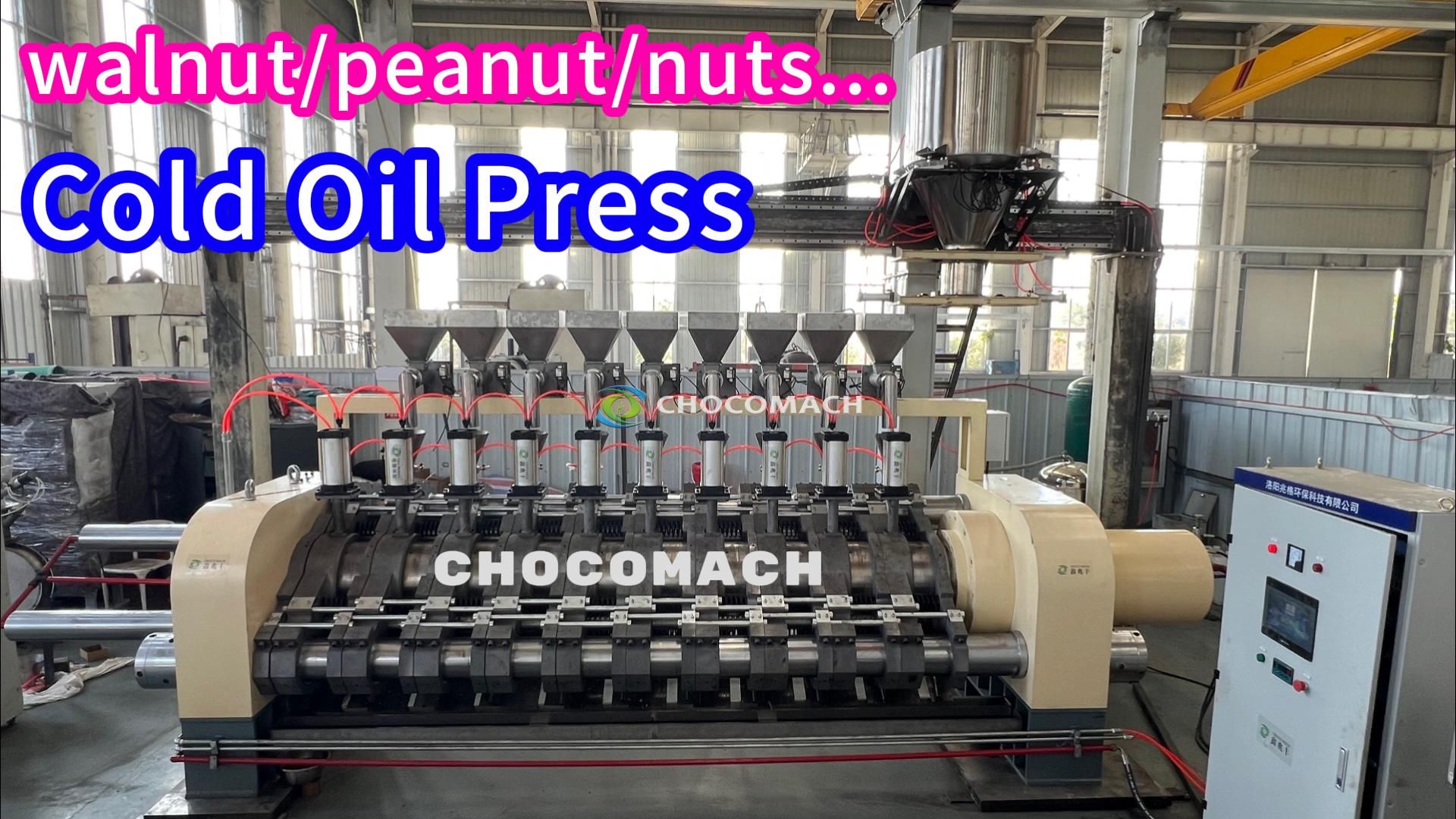
The fully automatic hydraulic oil press production line from CHOCOMACH provides a one-stop solution for oil and fat processing.


Pre:Has no prev news

Service Tel:
+86 136 0865 6963
+86 199 3799 5959
0086 0379-61127277

Email:
chocooilpress@gmail.com info@chocomach.com

Wechat:


WhatsApp:
+86 199 3799 5959